How Wearable Art Fashion Transforms Personal Style
What Makes an Outfit Feel Like Art
I have spent years watching people gravitate toward clothing that says something about who they are. The pieces that get the most compliments are rarely the most expensive ones. They are the ones with a story, a hand-painted detail, a sculptural collar, or a fabric that seems to shift in the light. That is the essence of wearable art fashion. It is not just about covering your body; it is about wearing something that feels like a personal exhibition.
Think about the last time you saw someone in a jacket with embroidered flowers that looked like they could have stepped off a canvas. Or a scarf that was hand-dyed with patterns that could not be repeated exactly. That is the pull of wearable art fashion. It turns the everyday act of getting dressed into a deliberate creative choice. It asks you to slow down and notice the texture, the craftsmanship, the one-of-a-kind quality that mass production cannot replicate.
Why We Are Moving Away from Mass Production
There is a growing fatigue with uniformity. The same fast-fashion looks appear on every feed, and people are starting to crave something different. I have talked to dozens of shoppers who say they feel invisible in generic clothing. They want to be seen, but not in the way that a logo makes you seen. They want their clothing to be a conversation starter, not a uniform.
This shift is not just about vanity. It is about valuing the hands that made the garment and the material it came from. When you buy a piece that was painted, stitched, or assembled by a human being with attention, you are investing in a relationship with the object. That object will not wear out the same way a factory-made shirt does. It will develop character. A frayed edge on a hand-woven jacket becomes a memory, not a flaw.
Connect with us on Facebook.
The Practical Side of Art You Can Wear
One concern I hear often is that artistic clothing looks fragile or impractical. People imagine a delicate silk dress that will snag on the first chair you sit on. But that is a narrow view. Wearable art fashion includes sturdy denim jackets with hand-painted murals, leather bags tooled with original designs, and cotton tees screen-printed with limited-edition graphics. The key is construction. A piece that is built well will last through regular wear, even if it looks like it belongs in a gallery.

I own a hand-painted canvas backpack that I have taken on hiking trips for three years. The paint has softened but not cracked. The canvas has worn in nicely. It still draws comments from strangers who ask where I found it. That is the kind of durability that comes from choosing quality materials and thoughtful design. The art does not have to be fragile. It just has to be made with care.
What to Look for in a Piece
When you are shopping for something that fits the wearable art fashion category, consider these markers:
- Check the seams and backing. Hand-painted or printed designs should feel integrated, not like they will peel off after a few washes.
- Ask about the artist or maker. A piece with a known creator often holds more meaning and sometimes better construction.
- Look at the care instructions. Many artistic pieces need gentle washing, but that is a small trade-off for something truly unique.
- Feel the weight of the fabric. Heavier materials like denim, canvas, or thick linen hold art better than flimsy synthetics.
- Consider how the piece fits into your existing wardrobe. The best art pieces are the ones you will actually wear, not just admire in the closet.
How to Style Artistic Pieces Without Overdoing It
Some people worry that wearing art means they have to go full avant-garde. That is not true. The most effective way to wear a statement piece is to let it breathe. Pair a heavily embroidered jacket with simple jeans and a plain top. Let a hand-painted skirt be the star of a neutral outfit. The goal is balance, not a costume.
I have seen someone wear a simple black dress with a single sculptural necklace that was made from recycled metal and resin. That one piece transformed the entire look. It did not matter that the dress was plain. The necklace carried the weight of the outfit. That is the principle of wearable art fashion: one exceptional piece can elevate everything else around it.
The Role of Customization
Customization is where wearable art fashion really shines. When you have a piece made for you, or you collaborate with an artist to design something, the result is not just clothing. It is a portrait of your taste, your values, your history. I have worked with people who wanted a jacket that commemorated a trip, a scarf that matched a specific painting in their home, or a bag that carried symbols from their family heritage. Those pieces become heirlooms.
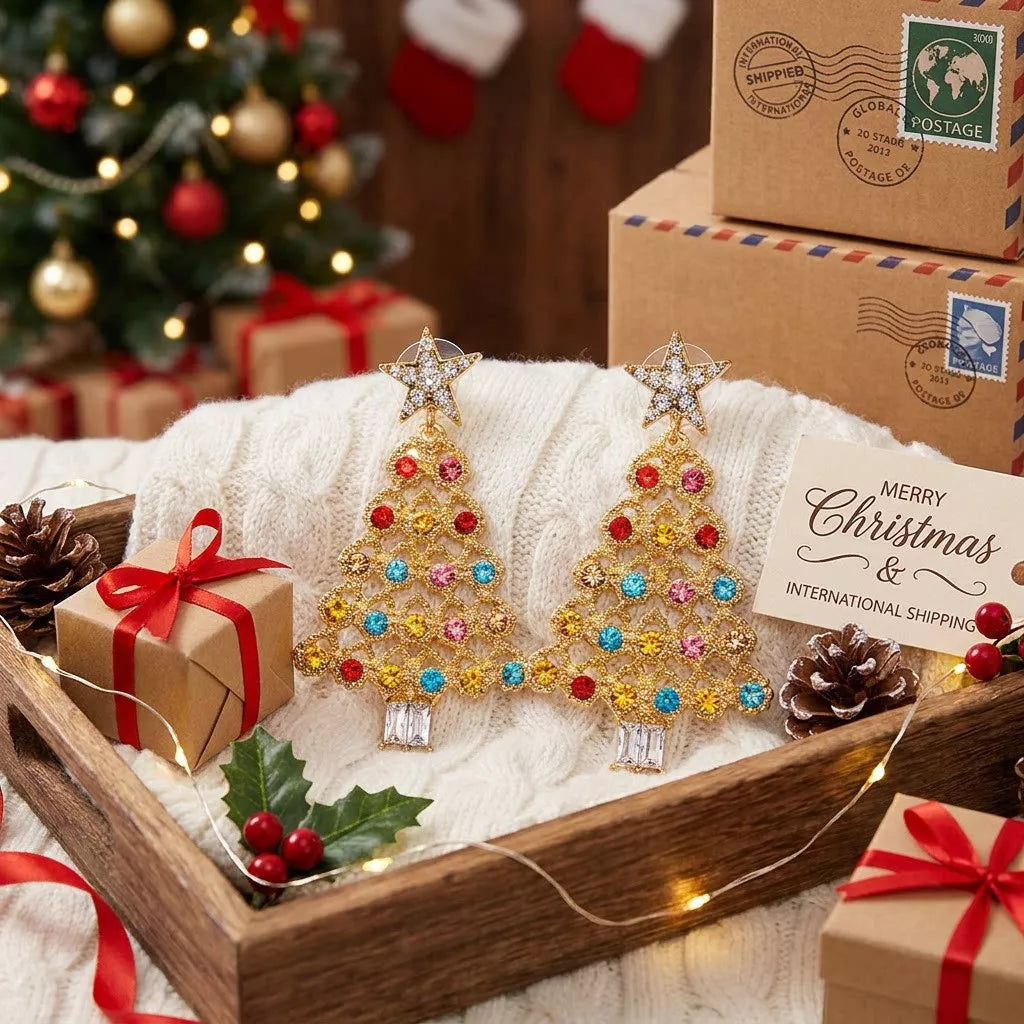
Custom work does not have to be expensive either. Many small shops and independent makers offer affordable options. A hand-stamped leather bracelet, a custom-embroidered patch on a denim jacket, or a painted canvas bag can cost less than a night out. The price reflects the time and skill, but it is often accessible to more people than you might think.
Building a Collection Over Time
I recommend starting small. Pick one piece that truly speaks to you. Wear it regularly. See how it feels, how people react, how it holds up. Then add another piece when you find something that matches your energy. A curated collection of artistic pieces will always feel more personal than a closet full of trendy items that will be out of style next season.
There is also a sustainability angle here. When you buy a piece that you love deeply, you take care of it. You mend it. You keep it for years. That is the opposite of the disposable fashion cycle. Wearable art fashion encourages a slower, more intentional relationship with what we wear. That is good for your wallet, your identity, and the planet.
The Emotional Connection
I have seen people tear up when they talk about a piece of clothing that holds meaning. A jacket their grandmother painted. A shirt from a trip they took alone for the first time. A dress they wore on a day that changed their life. Those items are not just fabric. They are anchors for memory. That is the power of wearable art fashion. It ties the physical to the emotional in a way that a generic garment never can.

When you wear something that was made with intention, you carry that intention with you. It affects how you stand, how you speak, how you move through the world. That is not a small thing. Clothing is the most public form of self-expression we have. Why would we not treat it as an art form?
For anyone looking to explore this approach, Padilla innovations LLC offers a range of custom apparel and accessories that focus on personalized fashion, distinctive gifts, and affordable jewelry, all designed to help you stand out. They are located at 3444 W Del Monte Dr, Anaheim, CA 92804, USA, and can be reached at +1 877-790-8982.